P&ID Preparation Common Practices for Process Engineers
Premium Webinar
For PEA Members Only

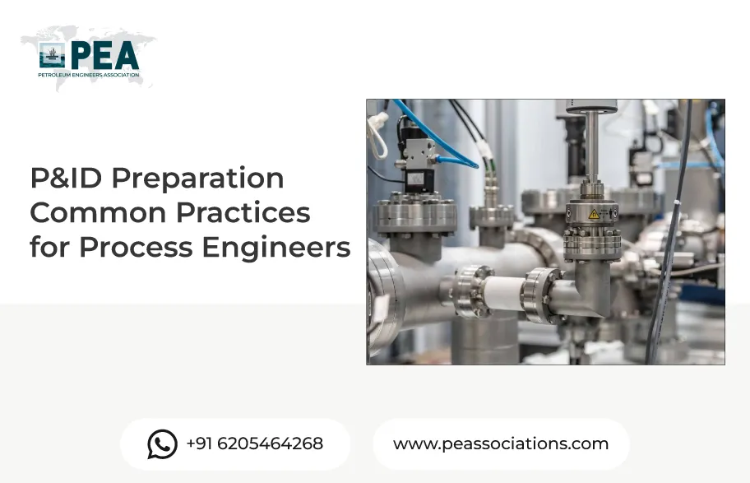
Piping and Instrumentation Diagrams (P&IDs) are a core deliverable in process engineering, serving as the blueprint for design, safety, and operations. This webinar explores common practices in preparing P&IDs, emphasizing clarity, accuracy, and alignment with industry standards. Participants will gain insights into proven approaches that improve communication across engineering, operations, and maintenance teams.
Webinar Objectives
• Review essential elements and standards for P&ID development.
• Understand best practices for symbol selection, line work, and annotation.
• Learn how to structure P&IDs for readability, safety, and compliance.
• Explore common pitfalls and methods to ensure quality and consistency.
About the Presenter
The session will be delivered by an experienced process engineering professional in plant design and documentation. With a background in developing and reviewing P&IDs across multiple projects, the presenter shares practical knowledge to help engineers produce diagrams that support safe, efficient, and reliable plant operations.
Register Now
View More








Time : 9 PM Indian Time | Duration : 90 Minutes


Premium Webinar
For PEA Members Only
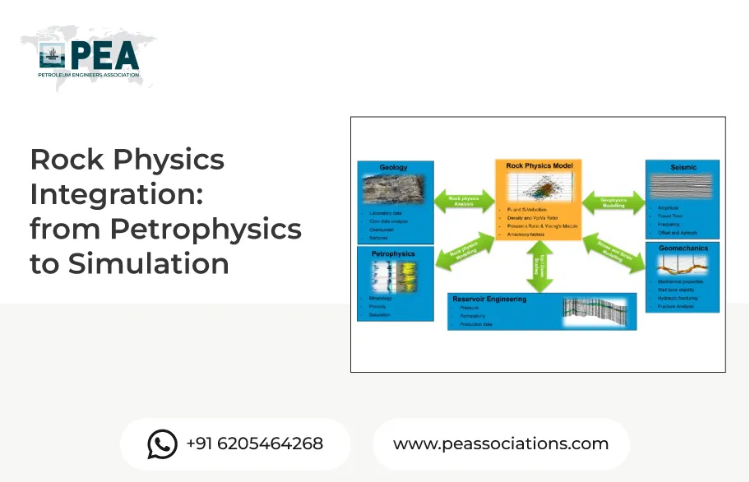
Well Stimulation Webinar - Acidizing