
Press Enter To See All Search Results
Search results for:
Velocity Modelling and Depth Conversion
Sunday, July 18, 2027
9 PM Indian Time
60 Minutes
Premium Webinar
For PEA Members Only

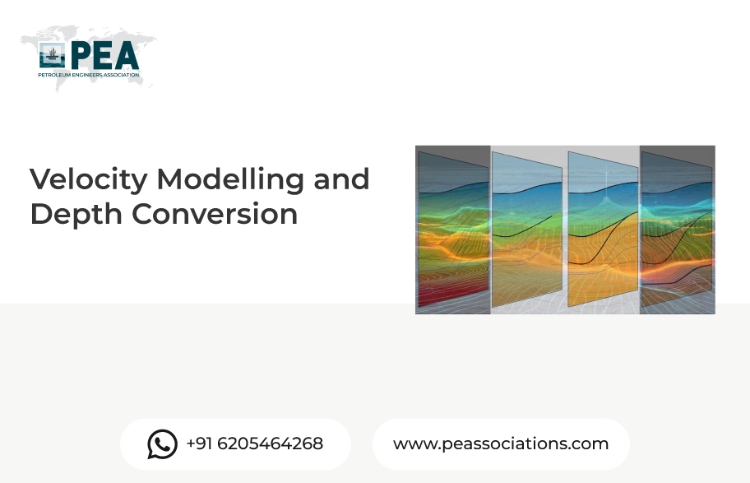
The webinar aims to introduce participants to the essential principles of velocity modeling and depth conversion in subsurface exploration. It will provide insights into geological factors influencing velocities, sources of velocity data, and a comprehensive comparison of velocity model building methods. The session is designed to highlight the benefits of mastering these techniques, which are critical for accurate subsurface interpretation and decision-making in oil and gas projects. Attendees will gain a foundational understanding of the course's content and its professional value.
Webinar Objectives
What is Depth Conversion?
Why We Need Depth Conversion
Objectives of Depth Conversion
Geological Factors Influencing Velocity
Velocity types and Sources of Velocity Data.
Synthetic Seismograms and Time-Depth Relationships
Single-Layer versus Multi-Layer Velocity model Building Methods
The Process of Depth Conversion
About the Presenter
The presenter is an experienced industry professional with extensive expertise in subsurface characterization, reservoir evaluation, and geoscience workflows. With a strong background in integrating geophysical and geological data, the presenter has led and contributed to numerous projects across the upstream value chain. Their focus lies in bridging technical excellence with practical solutions to support efficient and reliable decision-making in the oil and gas industry.
Register Now
View More







Date : 18/07/2027 - 18/07/2027
Time : 9 PM Indian Time | Duration : 60 Minutes
Time : 9 PM Indian Time | Duration : 60 Minutes


Premium Webinar
For PEA Members Only
Well Stimulation Webinar - Acidizing