Petroleum Engineers Association | Blog | How Gas Detection Systems Prevent Fatal Accidents in Oilfields
In the O&G industry, some of the biggest dangers are the ones you cannot see.
Toxic gases, leaks, or low oxygen levels don’t always have a smell or a warning. But within seconds, they can cause serious injury or even death.
That’s why a gas detection system in oil and gas operations is not optional. It is essential.
Why Gas Detection Matters
Oilfields deal with:
- Flammable gases (that can explode)
- Toxic gases like H₂S and CO
- Low oxygen environments
- Confined spaces
Without gas detection, workers may not realize the danger until it’s too late.
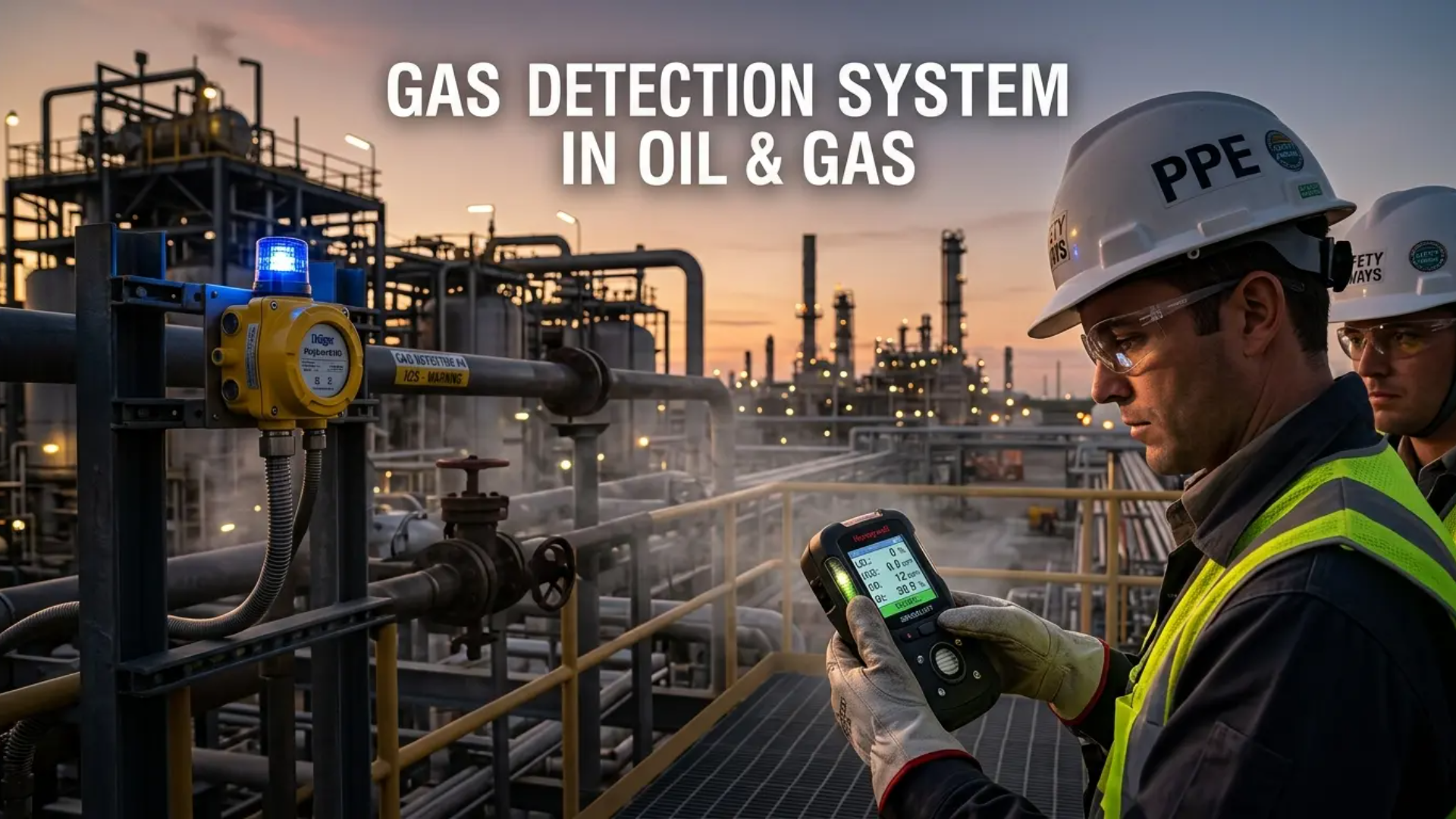
Gas detection systems help to:
- Detect leaks early
- Prevent fires and explosions
- Warn workers before exposure becomes dangerous
- Enable quick action and evacuation
Types of Gas Detectors You Should Know
1. Fixed Gas Detectors
These are installed permanently in areas like:
- Processing plants
- Offshore platforms
- Tank farms
- Compressor stations
What they do:
- Monitor gas levels 24/7
- Trigger alarms automatically
- Can even shut down systems in emergencies
2. Portable Gas Detectors
These are carried by workers.
Used during:
- Confined space entry
- Maintenance work
- Site inspections
What they do:
- Give instant alerts to the worker
- Easy to carry anywhere
- Provide personal safety
Fixed vs Portable: Which is Better?
The truth is, you need both.
- Fixed detectors = protect the site
- Portable detectors = protect the person
Together, they create a complete safety system.
Want to Learn These Systems in Depth?
If you want a practical understanding of gas detection, H₂S safety, PPE, and full oilfield risk management:
Learn more: Comprehensive HSE Training for the Oil and Gas Industry
What is LEL Monitoring?
LEL stands for Lower Explosive Limit.
It means the minimum level of gas in the air that can catch fire or explode.
Even a small leak can become dangerous if ignored.
Most gas detectors give alarms at:
- 10–20% LEL → Early warning
- 40–60% LEL → High danger
Toxic Gas Monitoring (Especially Offshore)
Offshore sites are more dangerous because:
Related Blogs:
- Technical Topics
- 9th October, 2025
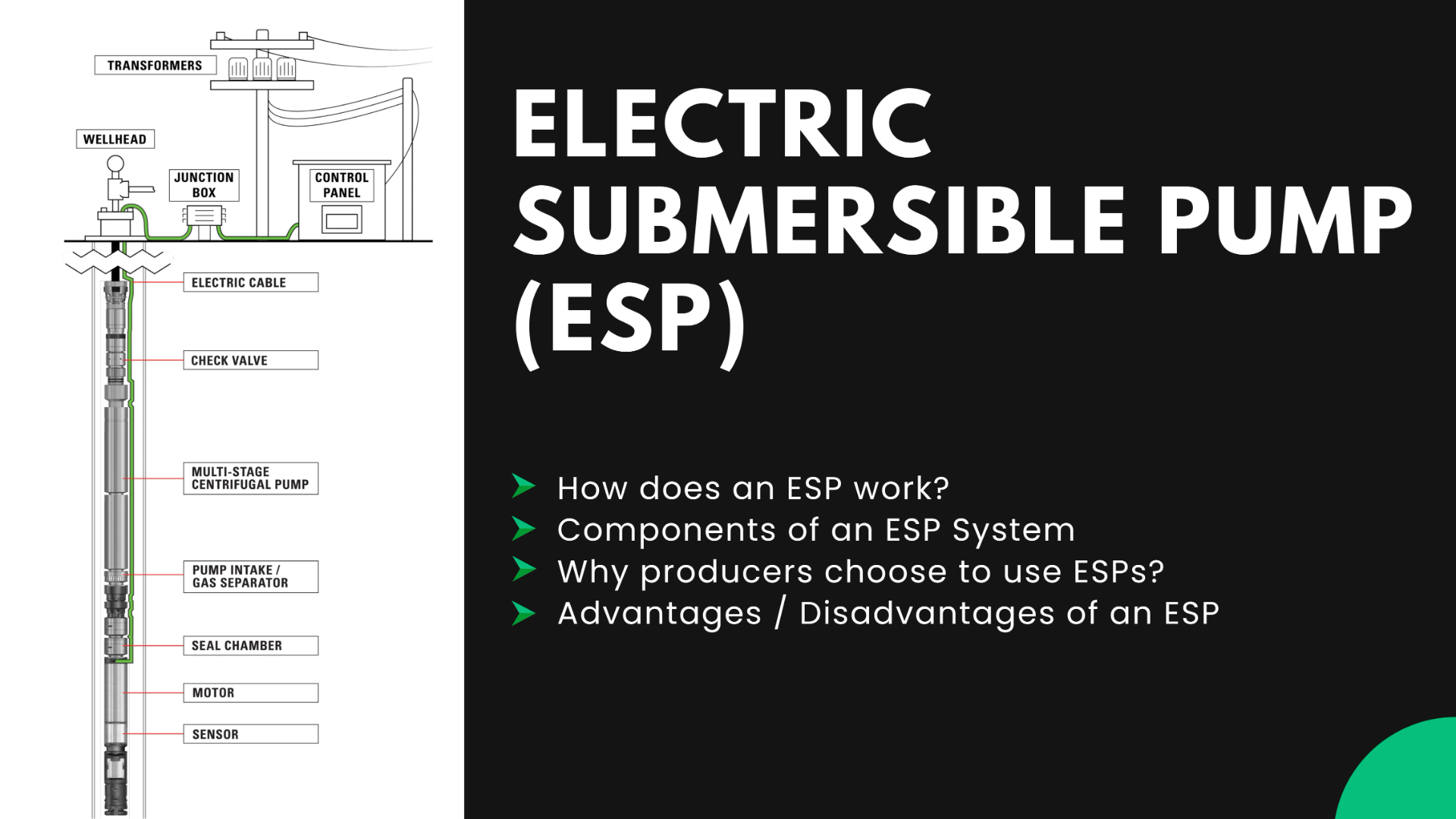
Things you must know about ESP
What is an electric submersible pump?ESP is a form of artificial lift that uses an el...
- Technical Topics
- 7th October, 2025
Oil and Gas Wellsite Safety
12 Steps for Oil and Gas Wellsite Safety1. Watch for Cattle and Other AnimalsWhen you...
- Technical Topics
- 6th October, 2025
How Pump Jack Lifts Oil
What is a pump jack?A pump jack is a widely recognized piece of equipment used to pum...

Leave a comment on this Blog/Article.