


Petroleum Engineers Association | Blog | Petroleum Economics & Agreements
Petroleum Economics & Agreements is a critical discipline in the upstream oil and gas industry that connects technical performance with financial outcomes.
While geology defines volumes and engineering defines production rates, economics determines whether a project should proceed, continue, or stop.
This article provides a structured overview of the key components of petroleum economics and the role of agreements in shaping project profitability.

1. Petroleum Industry Overview
The upstream (E&P) sector involves:
- Exploration
- Appraisal
- Field development
- Production
- Abandonment
Each phase requires capital investment under uncertainty. Economic evaluation helps decision-makers assess risk, expected return, and long-term sustainability.
Globally, upstream investments are influenced by:
- Oil and gas price volatility
- Geopolitical conditions
- Fiscal regimes
- Capital availability
- Energy transition policies
Understanding the broader industry context is essential before evaluating individual projects.
2. Importance of Petroleum Economics
Petroleum economics answers fundamental questions:
- Is the project financially viable?
- What is the expected return on investment?
- What is the break-even oil price?
- How sensitive is the project to uncertainty?
Even technically successful fields can fail economically if:
- Costs are too high
- Fiscal terms are unfavorable
- Production declines faster than expected
Economic analysis provides a structured method to quantify these factors.
E-Learning course on Petroleum Economics & Agreements
3. Common Evaluation Methods
The foundation of petroleum economics lies in cash flow modeling.
Cash Flow Analysis
Project revenues and expenditures are forecast over time, typically annually.
Discounted Cash Flow (DCF)
Future cash flows are discounted to present value using a chosen discount rate.
Net Present Value (NPV)
NPV represents the total value created by a project in today’s monetary terms.
Internal Rate of Return (IRR)
The discount rate at which NPV equals zero.
Payback Period
The time required to recover the initial investment.
These tools are used to compare development scenarios and investment alternatives.
4. Key Components of Economic Analysis
Economic modeling requires integration of multiple technical and financial inputs.
Production Volumes
Forecasted production profiles based on reservoir and engineering data.
Pricing
Assumptions regarding oil and gas prices over the project life.
Capital Expenditure (CAPEX)
- Drilling costs
- Completion costs
- Facilities and infrastructure
- Development planning
Operating Expenditure (OPEX)
- Lifting costs
- Maintenance
- Personnel
- Utilities
Taxes and Fiscal Terms
- Royalties
- Corporate income tax
- Production sharing
- Bonuses
- Government participation
Each component directly influences project cash flow.
Learn more on Petroleum Economics & Agreements
Related Blogs:
- Technical Topics
- 9th October, 2025
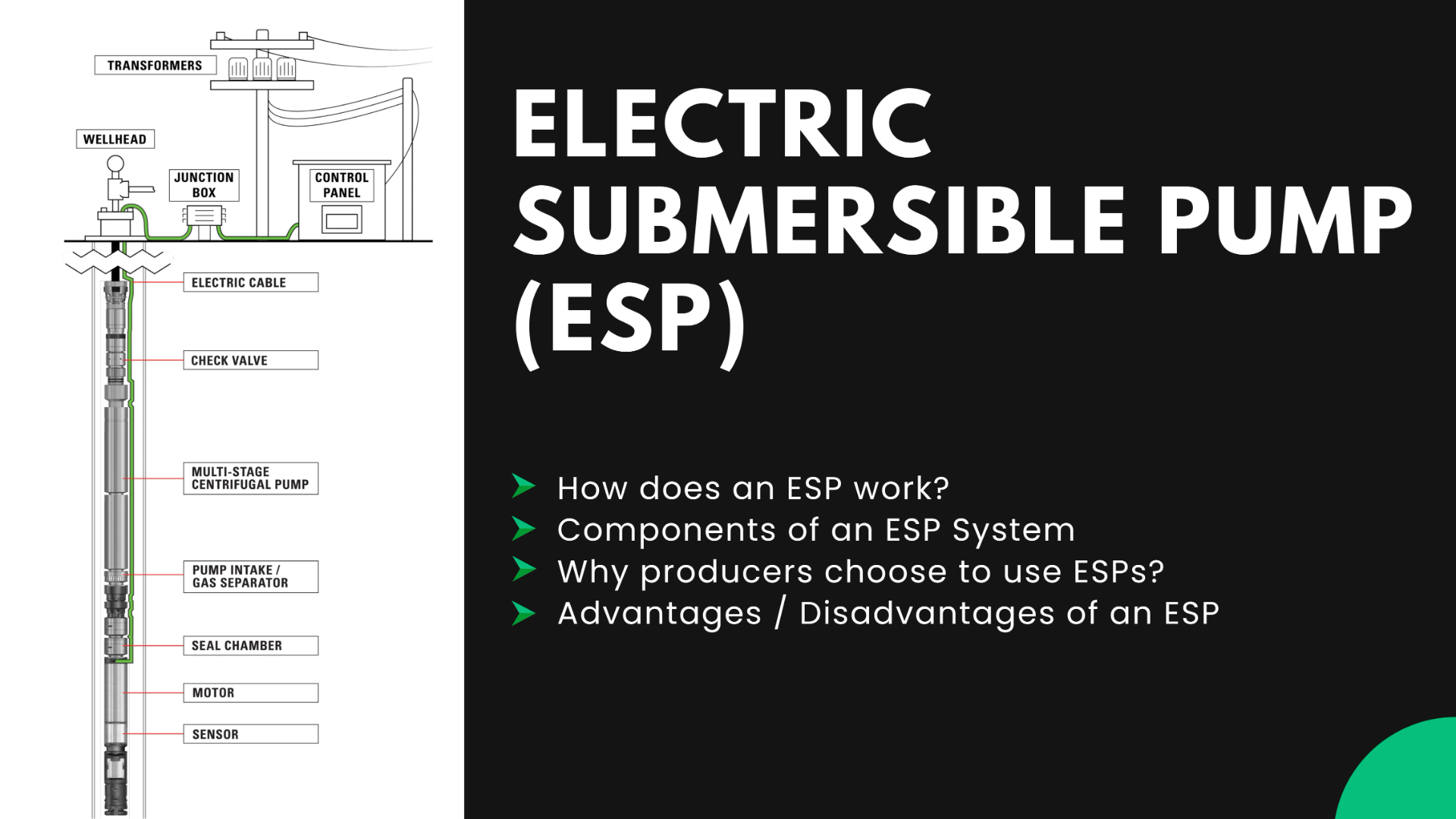
Things you must know about ESP
What is an electric submersible pump?ESP is a form of artificial lift that uses an el...

- Technical Topics
- 7th October, 2025
Oil and Gas Wellsite Safety
12 Steps for Oil and Gas Wellsite Safety1. Watch for Cattle and Other AnimalsWhen you...

- Technical Topics
- 6th October, 2025
How Pump Jack Lifts Oil
What is a pump jack?A pump jack is a widely recognized piece of equipment used to pum...

Leave a comment on this Blog/Article.