Artificial Lift for Shale & Tight Reservoirs
Premium Webinar
For PEA Members Only

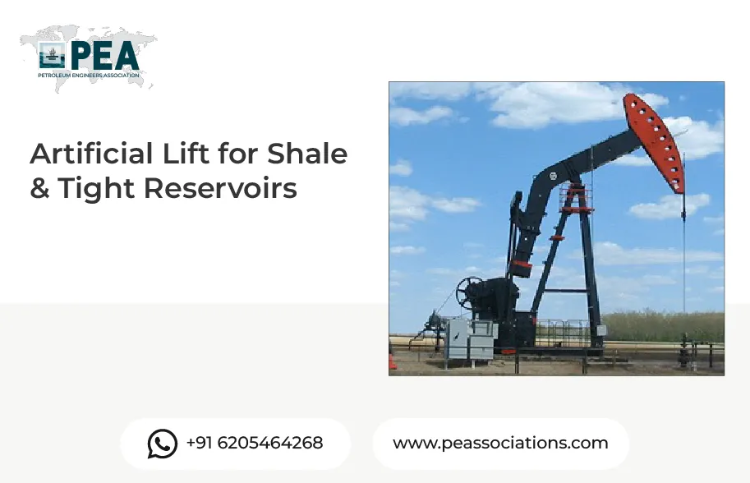
This webinar provides a focused overview of artificial lift design and optimization strategies for shale and tight reservoirs. Participants will explore how to manage production decline, handle multiphase flow, and select lift systems suited to unconventional well conditions. The session emphasizes practical solutions for maximizing production efficiency and extending well life in low-permeability formations.
Webinar Objectives
• Understand artificial lift challenges specific to shale and tight reservoirs.
• Learn selection and design criteria for ESP, gas lift, and rod lift systems.
• Analyze production data to identify optimization opportunities.
• Apply field-proven methods to enhance recovery and operational performance.
About the Presenter
The session is conducted by an experienced industry professional with a background in production engineering and unconventional reservoir development. The presenter combines technical understanding with field-based insights to deliver clear, practical guidance for professionals focused on improving artificial lift performance in shale and tight formations.
Register Now
View More








Time : 9 PM Indian Time | Duration : 90 Minutes


Premium Webinar
For PEA Members Only
Well Stimulation Webinar - Acidizing