Hydrogen Sulfide (H2S) Awareness and Gas Detection
Premium Webinar
For PEA Members Only

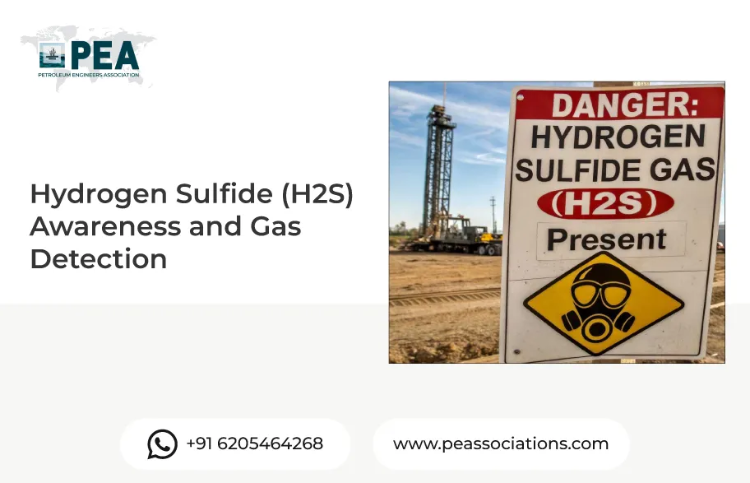
Hydrogen sulfide (H₂S) is one of the most hazardous gases encountered in oil and gas operations. This webinar provides a practical overview of H₂S characteristics, associated health and safety risks, and industry best practices for gas detection and monitoring. Participants will learn how to recognize hazards, apply safe work procedures, and utilize detection technologies to ensure operational safety and regulatory compliance.
Webinar Objectives
• Understand the properties, risks, and health impacts of hydrogen sulfide exposure.
• Review safety standards, emergency response protocols, and regulatory requirements.
• Learn about fixed and portable gas detection systems and their effective use in the field.
• Strengthen hazard awareness and reinforce a proactive safety culture.
About the Presenter
The presenter is a recognized safety professional with experience in oil and gas operations and H₂S risk management. Their expertise covers safety training, emergency response planning, and the application of detection technologies across upstream and downstream environments. The session is designed to deliver practical, safety-focused insights for industry professionals working in high-risk environments.
Register Now
View More








Time : 9 PM Indian Time | Duration : 90 Minutes


Premium Webinar
For PEA Members Only
Well Stimulation Webinar - Acidizing