Process Safety and Safety Instrumented Systems (SIS)
Premium Webinar
For PEA Members Only

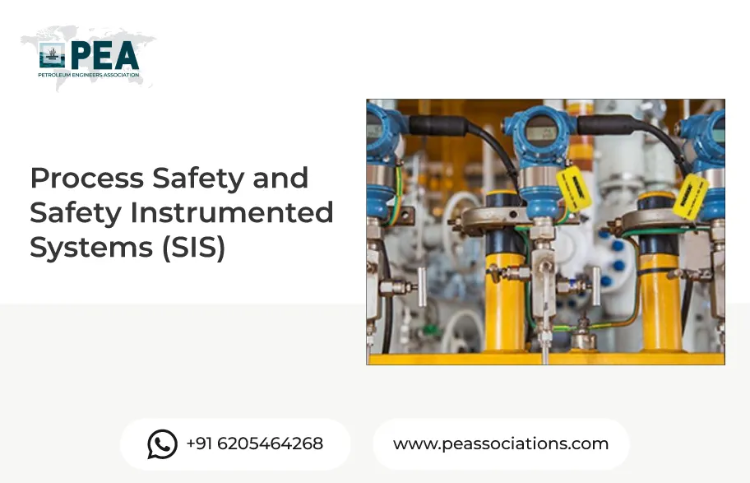
Process safety and Safety Instrumented Systems (SIS) are fundamental to managing operational risks in oil and gas facilities. SIS provide critical layers of protection to prevent hazardous events and ensure compliance with international safety standards. This session explores the principles of process safety management and the design, implementation, and maintenance of SIS in high-risk industrial environments.
Webinar Objectives
• Understand the relationship between process safety and functional safety.
• Review SIS lifecycle stages in line with IEC 61511 and related standards.
• Examine concepts of Safety Integrity Levels (SIL) and risk reduction.
• Explore practical examples of SIS applications in oil and gas operations.
About the Presenter
The webinar will be presented by a seasoned safety and automation professional in process safety management, control systems, and risk mitigation strategies. With experience in both design and operational environments, the presenter provides practical insights into applying SIS effectively to safeguard people, assets, and the environment.
Register Now
View More




Time : 9 PM Indian Time | Duration : 90 Minutes


Premium Webinar
For PEA Members Only
Well Stimulation Webinar - Acidizing