Rotating Equipment Engineering
Premium Workshop
For PEA Members Only

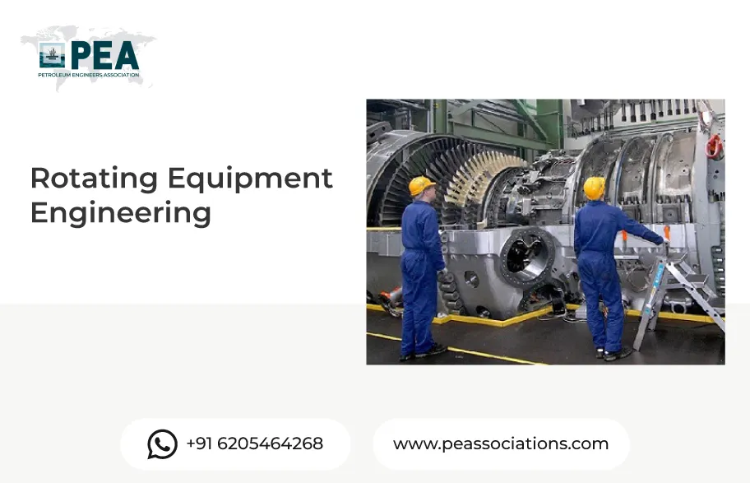
This workshop offers an in-depth understanding of rotating equipment engineering in the oil and gas industry, covering pumps, compressors, turbines, and related machinery. Participants will explore design considerations, performance optimization, reliability strategies, and international standards to ensure safe and efficient operation of critical rotating assets. Practical insights are emphasized to address challenges across the equipment lifecycle.
Workshop Objectives
• Understand the design and operational principles of rotating equipment.
• Apply international codes and best practices to equipment selection and use.
• Analyze performance factors influencing efficiency and reliability.
• Identify common issues in operation, maintenance, and troubleshooting.
• Strengthen technical decision-making for rotating equipment management.
About the Presenter
The workshop is led by a highly experienced industry professional in rotating equipment design, operation, and maintenance within oil and gas facilities. With a background in engineering practice and technical training, the presenter delivers practical, industry-relevant knowledge aimed at enhancing participants’ technical proficiency and problem-solving capabilities.





Premium Workshop
For PEA Members Only
Leveraging your reflection seismic data: advanced seismic techniques
Most companies use only a fraction of the information locked inside their reflection seismic data. This workshop covers the advanced techniques that unlock the rest.Over five hours, Dr. Andrew Ross walks through how modern seismic methods go beyond structural mapping into true reservoir characterization. The session covers seismic attributes — what they measure, which ones to trust, and how to use them for reservoir delineation; AVO analysis — the physics behind amplitude variation with offset and how it identifies fluids and lithology; and seismic inversion — turning reflection data into rock property volumes for quantitative interpretation. Along the way, he highlights the common pitfalls where these techniques mislead, and shows real examples of how they reduced risk on actual exploration and development decisions.The session is entirely theory and case-study based — no software required. Participants leave with a clear understanding of what each technique can and cannot do, and how to ask the right questions of their seismic data and their service providers.This workshop is ideal for geoscientists, reservoir engineers, and technical managers who work with seismic data and want to understand advanced interpretation methods without getting buried in software workflows.