The role of multiphase flow modeling in the future of energy mix and reducing carbon footprint
Premium Workshop
For PEA Members Only

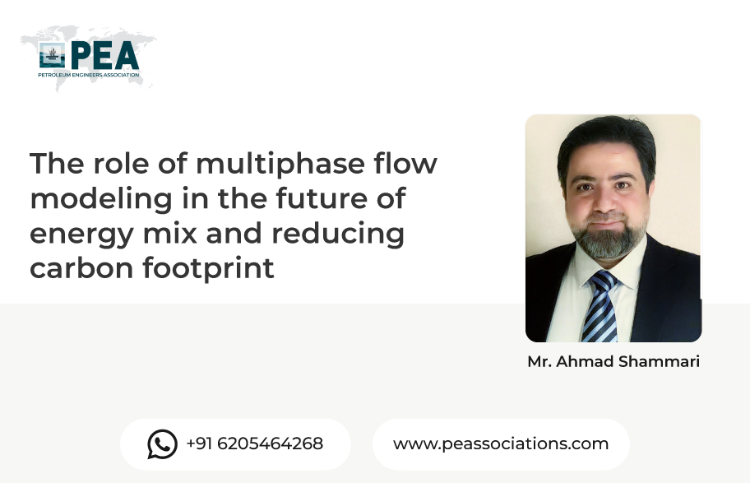
Join Our Free Live Workshop: Exploring the Future of Energy Mix and Reducing Carbon Footprint through Multiphase Flow Modeling
We invite you to be a part of our exclusive live workshop dedicated to unraveling the pivotal role of multiphase flow modeling in shaping the future of our energy landscape and curbing carbon emissions. In this engaging session, industry experts, scientists, and visionaries will come together to share profound insights, innovative solutions, and practical approaches that can pave the way towards a more sustainable and eco-friendly future.
Workshop Objectives
Educate Participants: Provide comprehensive knowledge about multiphase flow modeling, enabling participants to understand its significance in the energy sector and environmental sustainability.
Highlight Innovations: Showcase cutting-edge techniques and technologies in multiphase flow modeling, emphasizing their role in advancing renewable energy sources and reducing carbon emissions.
Facilitate Discussion: Encourage interactive discussions and Q&A sessions, fostering an environment where participants can engage with experts, share ideas, and gain deeper insights.
Inspire Action: Motivate attendees to apply multiphase flow modeling techniques in their respective fields, promoting the adoption of sustainable practices and eco-friendly solutions.
Encourage Networking: Facilitate networking opportunities, allowing professionals, researchers, and enthusiasts to connect, collaborate, and explore potential partnerships for future endeavors.
Promote Environmental Awareness: Raise awareness about the importance of reducing carbon footprint, emphasizing the role of multiphase flow modeling as a key solution in mitigating climate change and ensuring a sustainable energy future.
About the Presenter
Mr. Ahmad Shammari (Pipesim Product Champion)





Premium Workshop
For PEA Members Only
Reservoir Engineering & Well Testing in Excel The Hands-On Bootcamp
This hands-on bootcamp is designed for petroleum engineers who want to move beyond theory and actually build reservoir engineering and well testing models from scratch — in Microsoft Excel. Over two intensive days, participants work through 10 real-world projects covering the full spectrum of reservoir characterisation and well performance analysis. No black boxes, no third-party software — every model is built cell by cell, so you understand exactly what's happening under the hood. Exclusively available to PEA Members.