

Press Enter To See All Search Results
Search results for:
AI-based Full Field Reservoir Simulation and Modeling
Monday, January 4, 2027
9 PM Indian Time
90 Minutes
Premium Workshop
For PEA Members Only

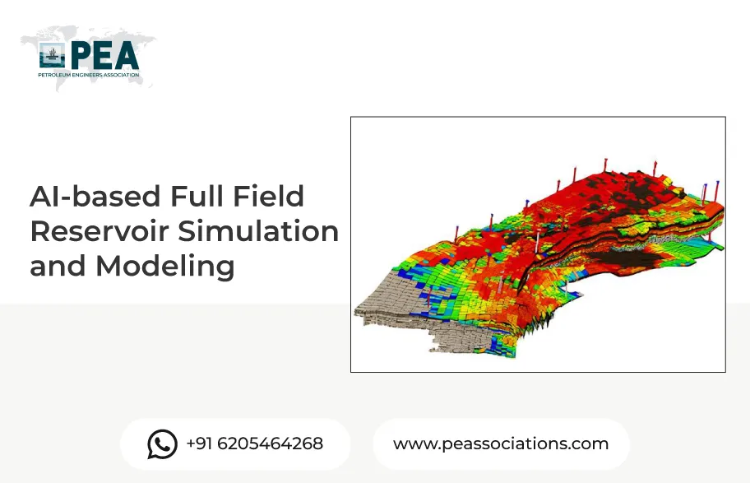
This workshop focuses on applying artificial intelligence in full-field reservoir simulation to enhance prediction accuracy, optimize recovery strategies, and streamline reservoir management. Participants will learn how AI-driven modeling techniques complement conventional simulation workflows for faster decision-making and improved reservoir performance evaluation.
Workshop Objectives
• Understand the role of AI in modern reservoir simulation and modeling.
• Learn how to integrate AI algorithms with conventional simulation tools.
• Review real-field case studies demonstrating improved forecasting and optimization.
• Explore data-driven approaches for reservoir characterization and performance prediction.
About the Presenter
The workshop is conducted by a professional with experience in reservoir engineering, simulation, and advanced modeling. The presenter has a proven background in applying AI and digital technologies to enhance field development and production performance across various reservoir environments.





Premium Workshop
For PEA Members Only
Machine Learning for Drilling Engineering with Python
Drilling generates huge amounts of data — but most of it sits unused. This hands-on workshop shows you how to turn that data into better decisions using Python and machine learning.Over the sessions, you'll work with real drilling datasets to build models that predict problems before they happen — stuck pipe, ROP optimization, bit wear, formation changes, and more. No heavy math theory. You write code, run it on actual data, and see the results.By the end, you'll have working Python scripts you can adapt to your own field data, plus a clear understanding of where ML adds value in drilling and where it doesn't.Built for drilling engineers, not data scientists. If you can read a drilling report, you can follow this course.