

Machine Learning Application for Well logging and Petrophysical Interpretation
Premium Webinar
For PEA Members Only

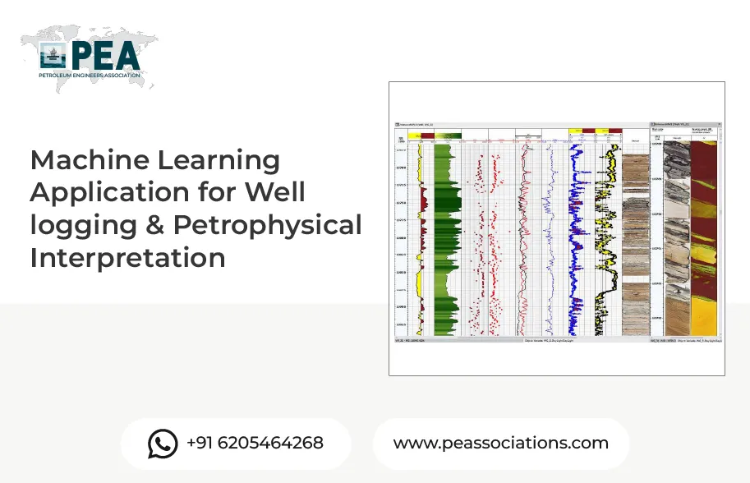
This webinar provides an overview of machine learning techniques applied to well logging and petrophysical data interpretation. Participants will learn how advanced algorithms can improve data analysis, automate interpretation workflows, and enhance reservoir understanding. The session emphasizes practical applications, case studies, and strategies to integrate ML tools into conventional petrophysical evaluation processes.
Webinar Objectives
• Understand the fundamentals of machine learning and its relevance to well logging.
• Learn techniques for automating petrophysical data analysis and interpretation.
• Explore practical applications and case studies in reservoir evaluation.
• Apply ML-driven insights to support more accurate and efficient reservoir characterization.
About the Presenter
The session is conducted by an experienced industry professional with a background in petrophysics and data-driven reservoir evaluation. The presenter combines technical expertise with practical experience to provide actionable guidance for professionals looking to leverage machine learning in well logging and interpretation workflows.
Register Now
View More








Time : 9 PM Indian Time | Duration : 90 Minutes


Premium Webinar
For PEA Members Only
Well Stimulation Webinar - Acidizing