AI-Driven Reservoir Optimization for Oil & Gas Efficiency
Premium Workshop
For PEA Members Only

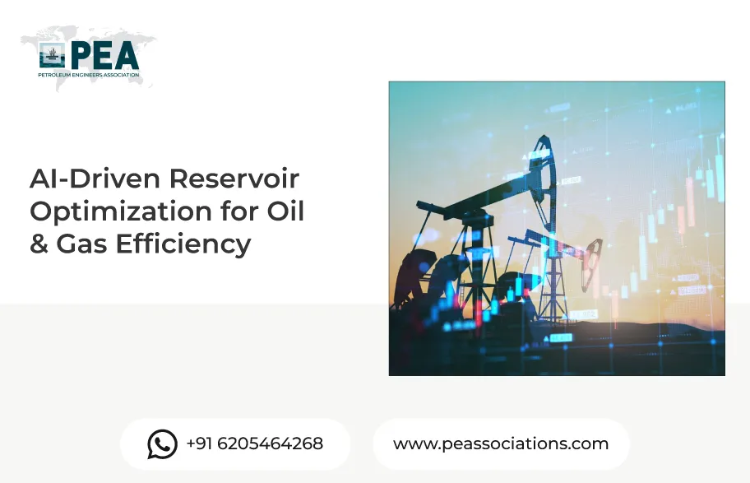
This workshop explores how artificial intelligence is transforming reservoir optimization by enabling smarter, faster, and more accurate decision-making. Participants will gain insights into applying AI and machine learning to enhance production forecasting, streamline surveillance, and improve overall reservoir performance.
Workshop Objectives
• Understand the role of AI and machine learning in reservoir engineering.
• Learn how to apply predictive models for production and recovery optimization.
• Explore data-driven approaches to streamline surveillance and reduce uncertainties.
• Examine best practices for integrating AI tools into oil and gas operations.
About the Presenter
The workshop will be conducted by an experienced professional in reservoir engineering, digital technologies, and AI applications. Combining technical knowledge with field experience, the presenter delivers practical guidance to help participants harness AI for improved efficiency and sustainable reservoir management.





Premium Workshop
For PEA Members Only
Excel in Production Engineering
Most production engineering calculations don't need expensive software — they need Excel used well. This live 2-hour beginner workshop shows you how to build the core tools of well performance analysis directly in a spreadsheet. You'll create working models for inflow performance, nodal analysis, and decline curves from scratch, using nothing but Microsoft Excel — so you understand what's happening under the hood instead of treating commercial software as a black box.