Classes of Fires and Extinguishers
Premium Workshop
For PEA Members Only

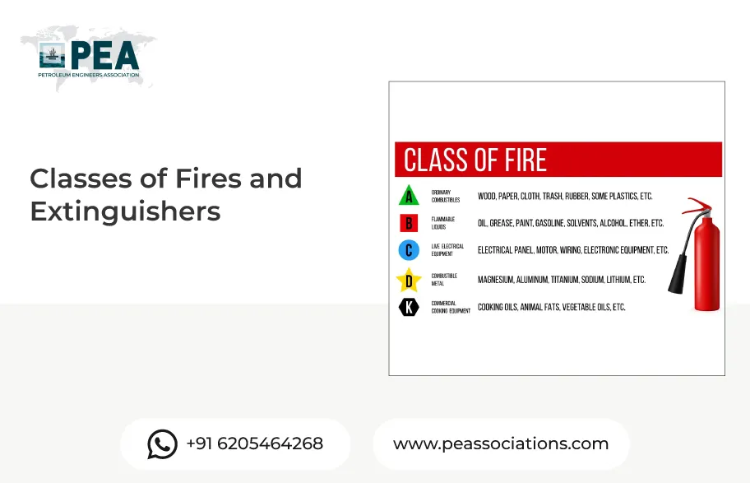
This workshop provides a structured overview of fire classifications and the proper selection and use of extinguishers in oil and gas environments. Participants will develop practical knowledge to identify fire types quickly, apply the correct extinguishing method, and reinforce workplace fire safety practices.
Workshop Objectives
• Understand the different classes of fires and their characteristics.
• Identify appropriate extinguishing agents for each fire class.
• Demonstrate correct usage of fire extinguishers in simulated scenarios.
• Strengthen fire prevention awareness and emergency response readiness.
About the Presenter
The workshop is facilitated by an industry professional in process safety, fire prevention, and emergency response within oil and gas operations. Combining technical knowledge with practical experience, the presenter delivers actionable insights that enhance workplace safety and preparedness.






Premium Workshop
For PEA Members Only
Excel in Production Engineering
Most production engineering calculations don't need expensive software — they need Excel used well. This live 2-hour beginner workshop shows you how to build the core tools of well performance analysis directly in a spreadsheet. You'll create working models for inflow performance, nodal analysis, and decline curves from scratch, using nothing but Microsoft Excel — so you understand what's happening under the hood instead of treating commercial software as a black box.