
Drill Bits and Hydraulics
Premium Workshop
For PEA Members Only

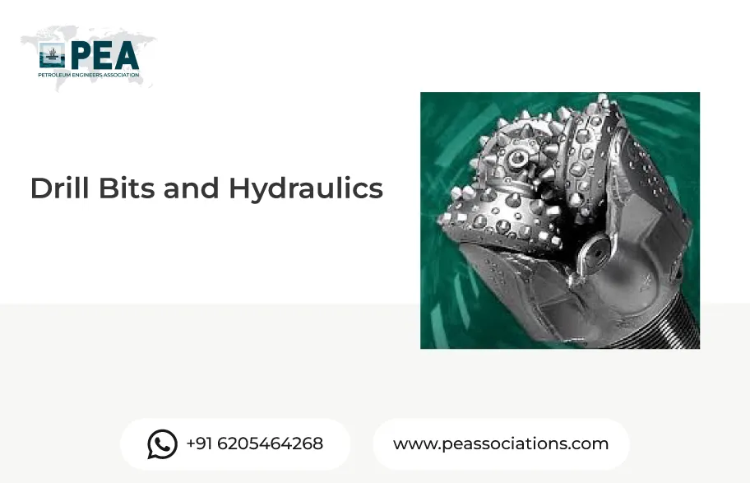
This workshop introduces participants to the principles of drill bit technology and drilling hydraulics, focusing on their combined impact on drilling performance and well efficiency. It covers bit selection, wear mechanisms, and hydraulic optimization to achieve improved rate of penetration (ROP), reduced non-productive time, and overall cost-effective drilling operations.
Workshop Objectives
• Understand drill bit types, designs, and selection criteria.
• Analyse bit performance and identify wear patterns.
• Apply hydraulic principles to optimize drilling efficiency.
• Integrate bit and hydraulics knowledge to enhance well performance and reduce costs.
About the Presenter
The workshop is delivered by an experienced drilling professional with a strong background in bit technology, hydraulics, and drilling optimization. With global field and technical expertise, the presenter emphasizes practical applications and proven techniques, enabling participants to transfer knowledge directly into operational improvements.







Premium Workshop
For PEA Members Only
Reservoir Engineering & Well Testing in Excel The Hands-On Bootcamp
This hands-on bootcamp is designed for petroleum engineers who want to move beyond theory and actually build reservoir engineering and well testing models from scratch — in Microsoft Excel. Over two intensive days, participants work through 10 real-world projects covering the full spectrum of reservoir characterisation and well performance analysis. No black boxes, no third-party software — every model is built cell by cell, so you understand exactly what's happening under the hood. Exclusively available to PEA Members.