Gas Turbine Technology
Premium Workshop
For PEA Members Only

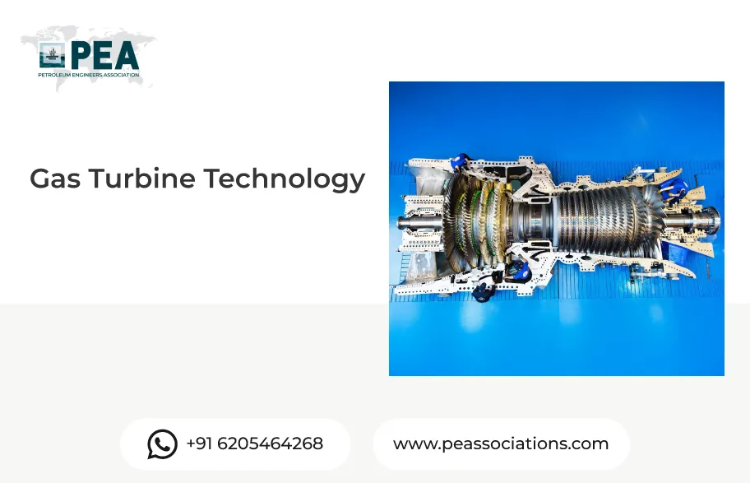
This workshop provides an in-depth overview of gas turbine technology as applied in oil and gas operations. It covers design principles, thermodynamic cycles, performance optimization, and maintenance strategies, with a focus on efficiency, reliability, and compliance with international standards. Participants will gain practical insights into the operation and lifecycle management of gas turbines in industrial applications.
Workshop Objectives
• Understand the fundamentals of gas turbine design and operating principles.
• Apply thermodynamic and performance concepts to optimize efficiency.
• Evaluate reliability and maintenance strategies for long-term operation.
• Identify and address common operational challenges in gas turbines.
• Strengthen technical decision-making for safe and efficient turbine management.
About the Presenter
The workshop is delivered by an experienced industry professional in gas turbine design, operation, and reliability engineering. With a strong background in both field practice and technical training, the presenter provides participants with practical, industry-focused knowledge to enhance turbine performance and operational integrity.



Premium Workshop
For PEA Members Only
Excel in Production Engineering
Most production engineering calculations don't need expensive software — they need Excel used well. This live 2-hour beginner workshop shows you how to build the core tools of well performance analysis directly in a spreadsheet. You'll create working models for inflow performance, nodal analysis, and decline curves from scratch, using nothing but Microsoft Excel — so you understand what's happening under the hood instead of treating commercial software as a black box.