Geothermal Reservoir Engineering
Premium Workshop
For PEA Members Only

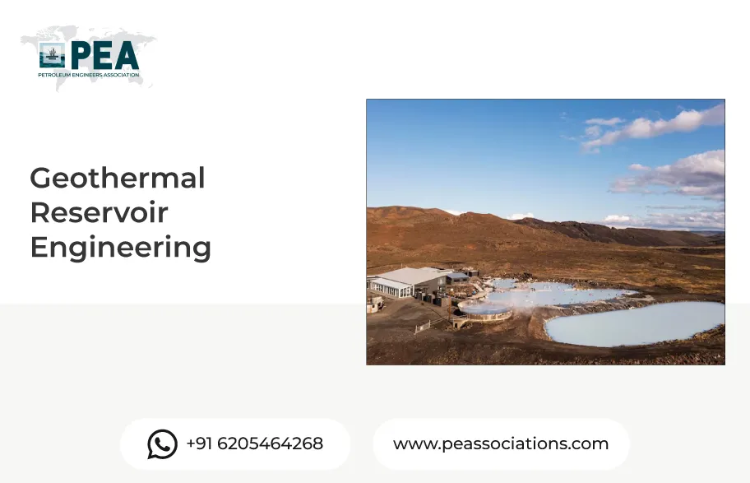
This workshop offers practical insights into geothermal reservoir engineering, focusing on the evaluation, development, and sustainable management of geothermal resources. Participants will learn how engineering principles are applied to characterize reservoirs, optimize production, and ensure long-term energy recovery.
Workshop Objectives
• Understand the fundamentals of geothermal reservoir characterization.
• Learn methods for modeling heat and fluid flow in geothermal systems.
• Explore strategies for sustainable reservoir management and performance optimization.
• Apply engineering practices to enhance efficiency and minimize resource risks.
About the Presenter
The workshop will be led by an experienced professional in geothermal and reservoir engineering. Combining technical knowledge with applied field experience, the presenter provides actionable guidance to help participants effectively bridge theory with real-world geothermal development challenges.





Premium Workshop
For PEA Members Only
Reservoir Engineering & Well Testing in Excel The Hands-On Bootcamp
This hands-on bootcamp is designed for petroleum engineers who want to move beyond theory and actually build reservoir engineering and well testing models from scratch — in Microsoft Excel. Over two intensive days, participants work through 10 real-world projects covering the full spectrum of reservoir characterisation and well performance analysis. No black boxes, no third-party software — every model is built cell by cell, so you understand exactly what's happening under the hood. Exclusively available to PEA Members.