Hydraulics and Pneumatics Applications in Oil & Gas
Premium Workshop
For PEA Members Only

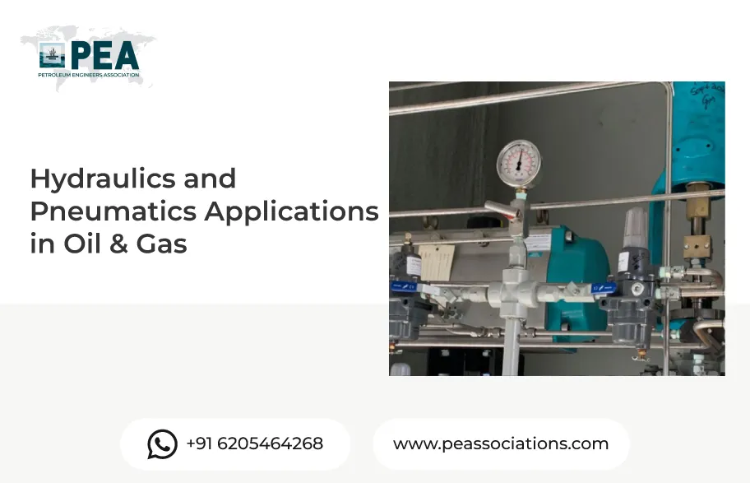
This workshop explores the application of hydraulic and pneumatic systems in oil and gas operations, focusing on design, operation, control, and maintenance. Participants will gain practical knowledge of fluid power systems, safety considerations, and international standards to ensure reliable and efficient use of hydraulics and pneumatics in critical equipment and processes.
Workshop Objectives
• Understand the fundamentals of hydraulic and pneumatic systems.
• Apply design principles and standards relevant to oil and gas applications.
• Evaluate performance and safety factors in system operation.
• Identify and troubleshoot common issues in hydraulic and pneumatic equipment.
• Strengthen technical decision-making for system reliability and efficiency.
About the Presenter
The workshop is led by an industry professional in hydraulic and pneumatic systems applied across oil and gas operations. With a strong background in engineering practice and training, the presenter provides participants with practical, industry-focused insights to improve equipment performance and operational safety.




Premium Workshop
For PEA Members Only
Excel in Production Engineering
Most production engineering calculations don't need expensive software — they need Excel used well. This live 2-hour beginner workshop shows you how to build the core tools of well performance analysis directly in a spreadsheet. You'll create working models for inflow performance, nodal analysis, and decline curves from scratch, using nothing but Microsoft Excel — so you understand what's happening under the hood instead of treating commercial software as a black box.