Hydrocarbon Fiscal Flow Metering
Premium Workshop
For PEA Members Only

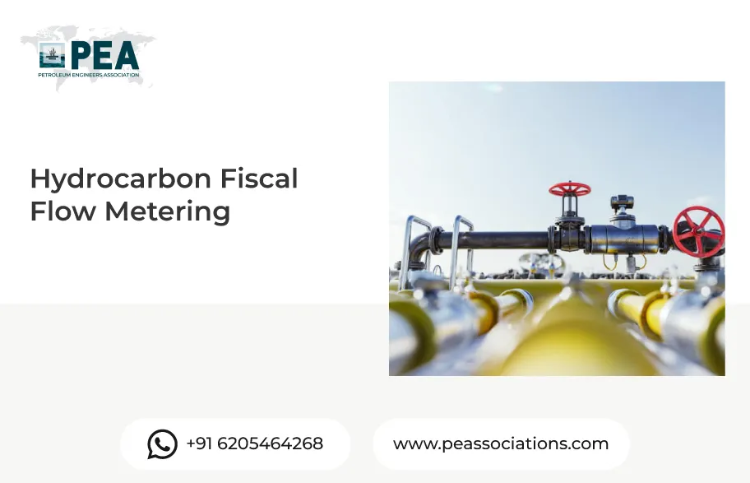
This workshop provides an in-depth understanding of hydrocarbon fiscal flow metering, a critical element for custody transfer, revenue assurance, and regulatory compliance in the oil and gas sector. Participants will explore measurement technologies, calibration practices, uncertainty analysis, and international standards to ensure accuracy and integrity in hydrocarbon measurement systems.
Workshop Objectives
• By the end of this workshop, participants will be able to:
• Understand the principles of fiscal flow metering and custody transfer.
• Evaluate different flow metering technologies and their applications.
• Apply calibration, verification, and uncertainty analysis methods.
• Recognize regulatory requirements and industry standards for fiscal measurement.
About the Presenter
The workshop is delivered by a measurement and metering professional with experience in hydrocarbon accounting and custody transfer systems. The presenter integrates technical with practical case studies, ensuring participants gain both theoretical knowledge and actionable skills for managing fiscal flow measurement.




Premium Workshop
For PEA Members Only
Foundation of SPE PRMS
This foundation workshop teaches you SPE PRMS, the oil and gas industry's standard system for classifying and reporting reserves. You'll learn why hydrocarbons in the ground aren't reserves, why every reserve must be tied to a real project, and how volumes move from discovered to commercial to booked. We use ultra-heavy oil field as a real-world case study to show how it all plays out.Built for engineers, geologists, and finance teams who work with reserves.