LNG Project Development and Commercial Aspects
Premium Workshop
For PEA Members Only

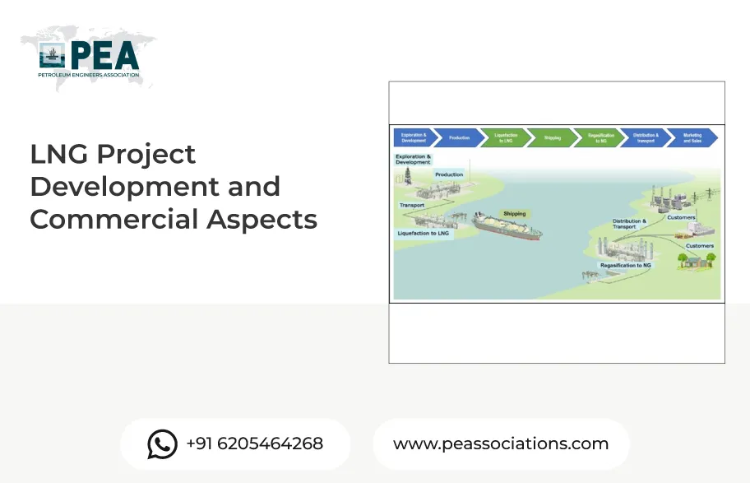
This workshop provides a structured overview of LNG project development, from concept and feasibility through to execution and commercialization. It highlights the technical, financial, and contractual considerations that shape LNG projects, along with the commercial strategies driving global LNG trade and investment.
Workshop Objectives
• Understand the phases of LNG project development and key decision points.
• Review financing structures, joint ventures, and investment considerations.
• Examine LNG supply contracts, pricing mechanisms, and market dynamics.
• Assess regulatory, environmental, and geopolitical factors impacting projects.
• Identify risk management approaches for both project execution and commercial agreements.
About the Presenter
The workshop is delivered by an experienced LNG professional spanning project development, commercial negotiations, and global energy markets. Drawing on extensive industry exposure, the presenter provides a balanced perspective on both the technical execution and commercial strategies that define successful LNG ventures.





Premium Workshop
For PEA Members Only
Excel in Production Engineering
Most production engineering calculations don't need expensive software — they need Excel used well. This live 2-hour beginner workshop shows you how to build the core tools of well performance analysis directly in a spreadsheet. You'll create working models for inflow performance, nodal analysis, and decline curves from scratch, using nothing but Microsoft Excel — so you understand what's happening under the hood instead of treating commercial software as a black box.