

Modern Reservoir Characterization : Integrating Artificial Intelligence (AI) with Traditional Methods
Premium Workshop
For PEA Members Only


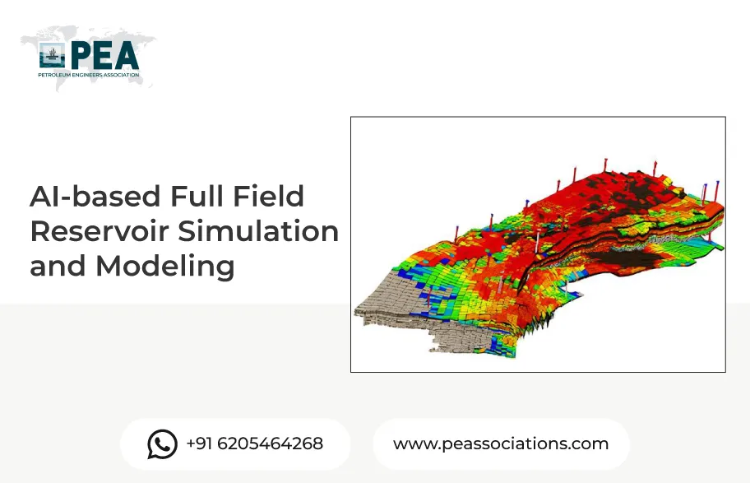
During this workshop, participants will develop a more comprehensive grasp of the geophysical theory of seismic inversion and explore advanced seismic reservoir characterization techniques. Discover the essential steps in the seismic reservoir characterization workflow using machine learning, covering data processing to inversion analysis. Acquire valuable knowledge applicable to your everyday projects.
In classical reservoir characterization, it is commonly assumed that the reservoir exhibits both elastic and hydraulic isotropy. However, real reservoirs often exhibit anisotropic characteristics and spatial heterogeneity on multiple scales. Relying solely on core and log data may not accurately represent the larger reservoir volume. Therefore, the most effective way to accurately analyze the physical properties of most actual reservoirs, across their entire volume, involves utilizing advanced machine learning methods for acquired and interpreted seismic data.
Workshop Objectives
This workshop aims to offer Exploration & Development professionals the chance to gain practical experience in a range of Seismic Reservoir Characterization techniques. This comprehensive workshop will provide a complete overview of seismic approaches, including the underlying theoretical principles and practical techniques used in real-world scenarios.
About the Presenter
The webinar will be delivered by a seasoned industry professional with extensive experience in reservoir engineering, geoscience, and data-driven technologies. The presenter combines strong technical expertise with practical field knowledge, offering participants both strategic insights and actionable applications relevant to today’s oil and gas challenges.








Premium Workshop
For PEA Members Only
Excel in Production Engineering
Most production engineering calculations don't need expensive software — they need Excel used well. This live 2-hour beginner workshop shows you how to build the core tools of well performance analysis directly in a spreadsheet. You'll create working models for inflow performance, nodal analysis, and decline curves from scratch, using nothing but Microsoft Excel — so you understand what's happening under the hood instead of treating commercial software as a black box.