Occupational Health and Safety Management Systems
Premium Workshop
For PEA Members Only

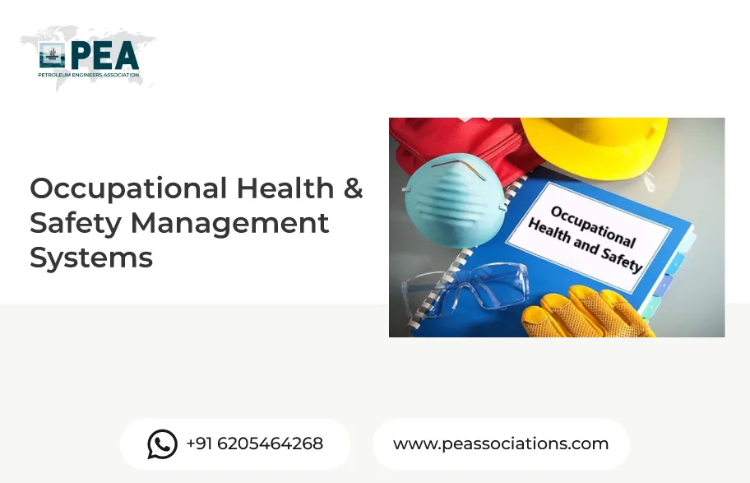
This workshop delivers a structured overview of Occupational Health and Safety Management Systems (OHSMS), emphasizing their role in safeguarding personnel, ensuring compliance, and enhancing operational performance. Participants will learn how systematic approaches to health and safety reduce risks and strengthen organizational resilience.
Workshop Objectives
• Understand the framework and principles of OHSMS.
• Examine regulatory requirements and international standards.
• Identify methods for hazard recognition, risk assessment, and control.
• Explore strategies for integrating safety management into daily operations.
• Strengthen reporting, auditing, and continuous improvement practices.
About the Presenter
The workshop is led by an experienced professional with knowledge in occupational health, safety management, and regulatory compliance. With a strong record of industry engagement and training delivery, the presenter offers practical insights into implementing and sustaining effective safety systems. The approach focuses on clarity, relevance, and industry alignment to equip participants with tools for immediate application.




Premium Workshop
For PEA Members Only
Excel in Production Engineering
Most production engineering calculations don't need expensive software — they need Excel used well. This live 2-hour beginner workshop shows you how to build the core tools of well performance analysis directly in a spreadsheet. You'll create working models for inflow performance, nodal analysis, and decline curves from scratch, using nothing but Microsoft Excel — so you understand what's happening under the hood instead of treating commercial software as a black box.