Oil and Gas Storage and Transportation
Premium Workshop
For PEA Members Only

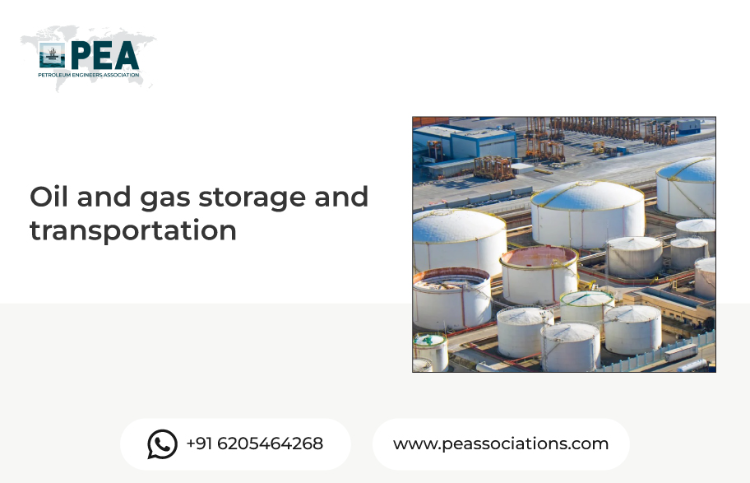
This advanced workshop provides an in-depth exploration of modern oil and gas storage and transportation practices. Participants will gain detailed knowledge of the design, operation, and optimization of storage facilities and transportation networks, including pipelines, terminals, and shipping methods. The curriculum addresses current regulatory standards, safety protocols, environmental considerations, risk management, and the application of cutting-edge technologies. Designed for professionals seeking to refine their expertise, this program emphasizes practical solutions, analytical approaches, and real-world case studies to support safe, efficient, and compliant operations across the storage and transportation value chain.
Workshop Objectives
Analyze key principles and engineering concepts underpinning oil and gas storage systems and transportation networks.
Evaluate regulatory requirements, industry standards, and environmental protections relevant to storage and transport.
Identify and mitigate operational risks, focusing on safety, security, and incident prevention.
Assess recent technological advancements shaping the sector, including digital monitoring, automation, and new materials.
Apply strategic decision-making tools to optimize facility performance and logistics.
Interpret and discuss real-world events and case studies to improve problem-solving in complex operational scenarios.
About the Presenter
The presenter is a seasoned professional with extensive experience in the oil and gas industry, specializing in storage, transportation, and infrastructure management. With a robust background in engineering, operations, and regulatory compliance, the presenter has led numerous projects and training initiatives for major operators and service providers worldwide. Demonstrated expertise spans facility design, pipeline logistics, safety management, and the integration of technological innovations. The presenter is committed to delivering actionable insights and advanced methodologies, ensuring participants gain both theoretical knowledge and practical skills to excel in a dynamic, safety-critical industry.




Premium Workshop
For PEA Members Only
Excel in Production Engineering
Most production engineering calculations don't need expensive software — they need Excel used well. This live 2-hour beginner workshop shows you how to build the core tools of well performance analysis directly in a spreadsheet. You'll create working models for inflow performance, nodal analysis, and decline curves from scratch, using nothing but Microsoft Excel — so you understand what's happening under the hood instead of treating commercial software as a black box.