Operations and Wellsite Geology
Premium Workshop
For PEA Members Only

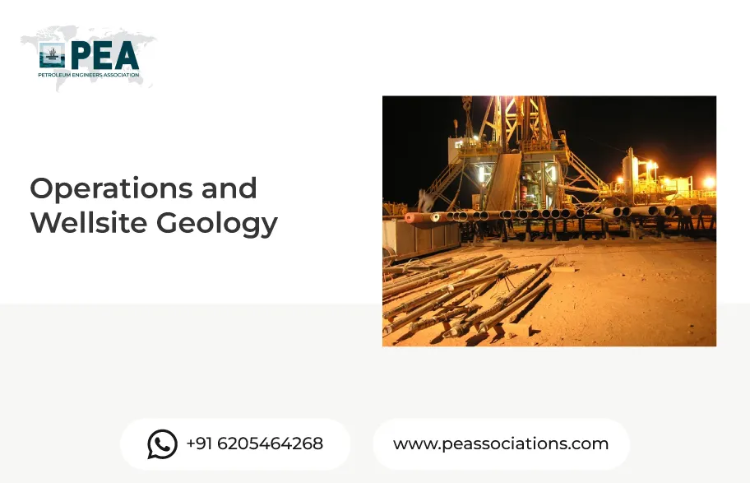
This workshop provides a practical understanding of operations and wellsite geology, focusing on the role of geological data in drilling, formation evaluation, and well placement. Participants will learn how to interpret real-time data at the wellsite, support operational decisions, and contribute to safe, efficient, and cost-effective drilling activities.
Workshop Objectives
• Understand the responsibilities and workflow of wellsite geology.
• Interpret cutting samples, mud logs, and real-time drilling data.
• Support drilling operations through geological input and communication.
• Apply best practices to ensure safe and efficient wellsite operations.
About the Presenter
The workshop is delivered by a seasoned oil and gas professional in geology, drilling operations, and wellsite practices. Combining technical knowledge with field experience, the presenter offers practical insights that enable participants to apply concepts effectively in day-to-day operational environments.








Premium Workshop
For PEA Members Only
Excel in Production Engineering
Most production engineering calculations don't need expensive software — they need Excel used well. This live 2-hour beginner workshop shows you how to build the core tools of well performance analysis directly in a spreadsheet. You'll create working models for inflow performance, nodal analysis, and decline curves from scratch, using nothing but Microsoft Excel — so you understand what's happening under the hood instead of treating commercial software as a black box.