Piping and Pipeline Engineering
Premium Workshop
For PEA Members Only

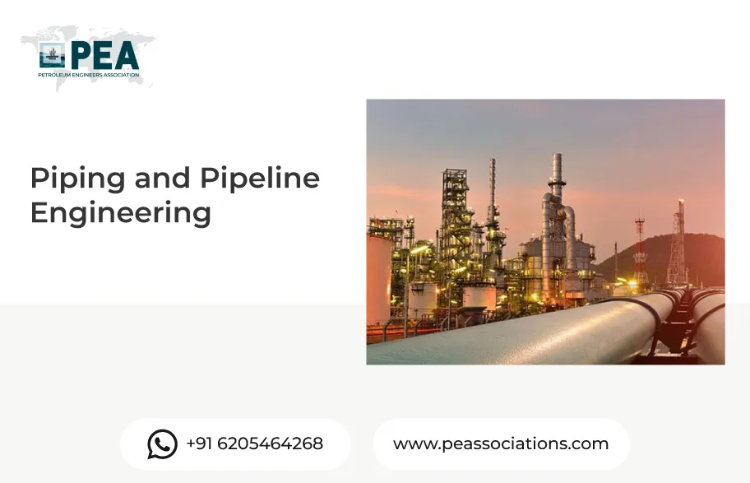
This workshop delivers a structured overview of piping and pipeline engineering within the oil and gas sector. It emphasizes design methodologies, material selection, construction practices, and integrity management, with reference to international standards. The session is designed to provide participants with practical insights into the technical and operational challenges of developing and maintaining safe, efficient piping and pipeline systems.
Workshop Objectives
• Understand key principles of piping and pipeline design and operation.
• Apply relevant codes and standards to engineering decisions.
• Assess material and component selection for performance and safety.
• Identify and address common issues in construction, testing, and maintenance.
• Enhance technical problem-solving for complex pipeline systems.
About the Presenter
The workshop is conducted by a seasoned industry professional in piping and pipeline engineering across upstream, midstream, and downstream operations. With experience in design, construction, and integrity management, the presenter provides practical knowledge and industry best practices to support participants in advancing their technical capabilities.





Premium Workshop
For PEA Members Only
Excel in Production Engineering
Most production engineering calculations don't need expensive software — they need Excel used well. This live 2-hour beginner workshop shows you how to build the core tools of well performance analysis directly in a spreadsheet. You'll create working models for inflow performance, nodal analysis, and decline curves from scratch, using nothing but Microsoft Excel — so you understand what's happening under the hood instead of treating commercial software as a black box.