Pressure Transient Analysis
Premium Workshop
For PEA Members Only

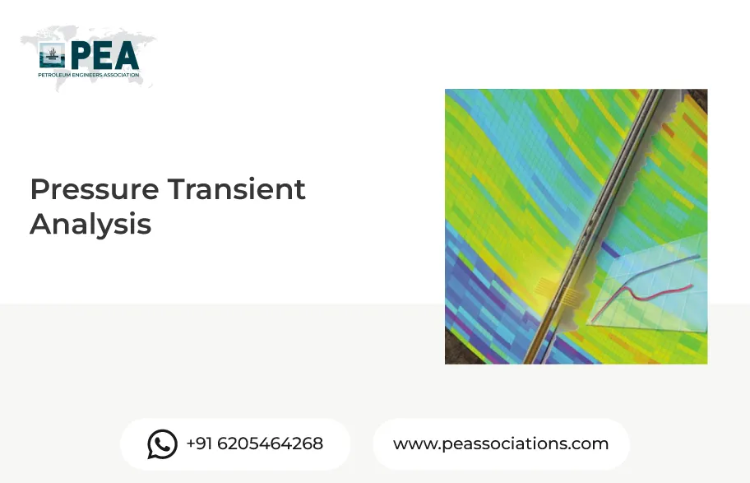
This workshop provides advanced insights into pressure transient analysis, focusing on methods to evaluate reservoir properties and well performance. Participants will learn practical approaches to data interpretation and its application in production and reservoir optimization.
Workshop Objectives
Understand the fundamentals and applications of pressure transient analysis.
Learn techniques to identify reservoir characteristics and flow regimes.
Interpret pressure data to diagnose well and reservoir behavior.
Apply analysis outcomes to support field development and optimization.
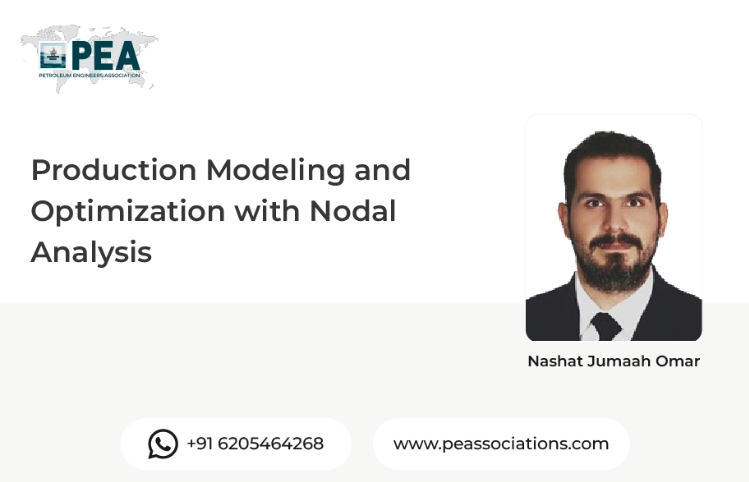
About the Presenter
The presenter is an experienced oil and gas professional in reservoir engineering, well testing, and production analysis. Combining technical knowledge with field-based insights, the presenter delivers practical guidance to enhance participants’ technical capabilities.





Premium Workshop
For PEA Members Only
Machine Learning for Drilling Engineering with Python
Drilling generates huge amounts of data — but most of it sits unused. This hands-on workshop shows you how to turn that data into better decisions using Python and machine learning.Over the sessions, you'll work with real drilling datasets to build models that predict problems before they happen — stuck pipe, ROP optimization, bit wear, formation changes, and more. No heavy math theory. You write code, run it on actual data, and see the results.By the end, you'll have working Python scripts you can adapt to your own field data, plus a clear understanding of where ML adds value in drilling and where it doesn't.Built for drilling engineers, not data scientists. If you can read a drilling report, you can follow this course.