Supply Chain in Upstream Oil & Gas: Purchasing & Procurement
Premium Workshop
For PEA Members Only

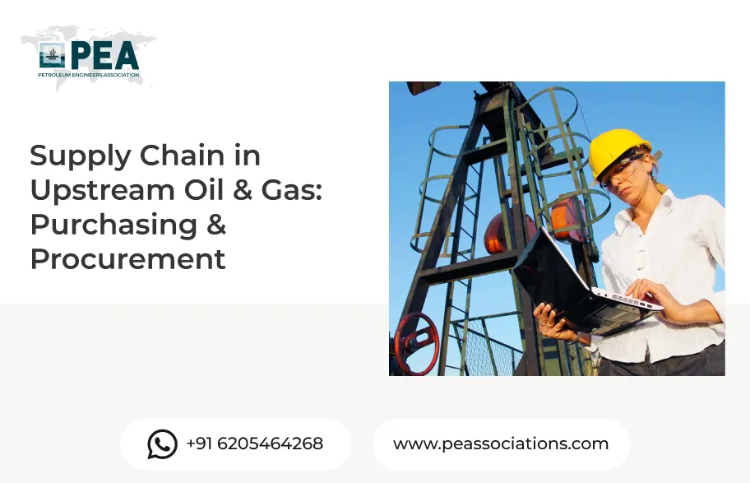
A focused program on building resilient, compliant, and cost-effective supply chains for exploration and production. The course translates category strategies, contracting frameworks, and market intelligence into disciplined purchasing, assured delivery, and measurable value.
Workshop Objectives
• Develop category plans and sourcing strategies aligned to drilling, projects, and operations.
• Execute competitive bidding, contract models, and negotiations with clear risk and performance terms.
• Strengthen vendor qualification, quality assurance, expediting, and logistics for on-time, in-full delivery.
• Use KPIs, cost analytics, and governance to track savings, compliance, and supplier performance.
About the Presenter
Delivered by a senior supply chain practitioner with experience across upstream categories, contracting, and field logistics. Instruction emphasizes proven frameworks, auditable controls, and practical tools suitable for high-consequence, schedule-driven environments.




Premium Workshop
For PEA Members Only
Excel in Production Engineering
Most production engineering calculations don't need expensive software — they need Excel used well. This live 2-hour beginner workshop shows you how to build the core tools of well performance analysis directly in a spreadsheet. You'll create working models for inflow performance, nodal analysis, and decline curves from scratch, using nothing but Microsoft Excel — so you understand what's happening under the hood instead of treating commercial software as a black box.