Flare and Snuffing System, Operation, Startup and Shutdown
Premium Workshop
For PEA Members Only

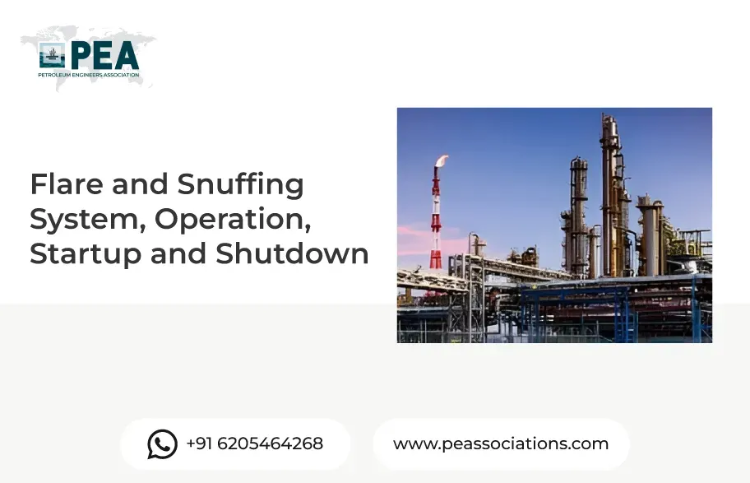
This workshop provides a focused understanding of flare and snuffing systems used in oil and gas facilities. It covers system design, operational principles, and safe procedures for startup and shutdown. Participants will learn how to manage combustion efficiency, handle emergency flaring situations, and maintain system reliability while ensuring compliance with safety and environmental standards.
Workshop Objectives
• Understand the function and components of flare and snuffing systems.
• Learn safe operating procedures for startup, shutdown, and emergency conditions.
• Identify common operational issues and apply effective troubleshooting methods.
• Review best practices for safety, reliability, and environmental compliance.
About the Presenter
The workshop is conducted by an experienced industry professional with a solid background in process operations, plant safety, and production systems. The presenter shares practical insights drawn from field operations to help participants strengthen their technical understanding and operational decision-making.




Premium Workshop
For PEA Members Only
Leveraging your reflection seismic data: advanced seismic techniques
Most companies use only a fraction of the information locked inside their reflection seismic data. This workshop covers the advanced techniques that unlock the rest.Over five hours, Dr. Andrew Ross walks through how modern seismic methods go beyond structural mapping into true reservoir characterization. The session covers seismic attributes — what they measure, which ones to trust, and how to use them for reservoir delineation; AVO analysis — the physics behind amplitude variation with offset and how it identifies fluids and lithology; and seismic inversion — turning reflection data into rock property volumes for quantitative interpretation. Along the way, he highlights the common pitfalls where these techniques mislead, and shows real examples of how they reduced risk on actual exploration and development decisions.The session is entirely theory and case-study based — no software required. Participants leave with a clear understanding of what each technique can and cannot do, and how to ask the right questions of their seismic data and their service providers.This workshop is ideal for geoscientists, reservoir engineers, and technical managers who work with seismic data and want to understand advanced interpretation methods without getting buried in software workflows.