Hydrogen Pipeline Engineering
Premium Workshop
For PEA Members Only

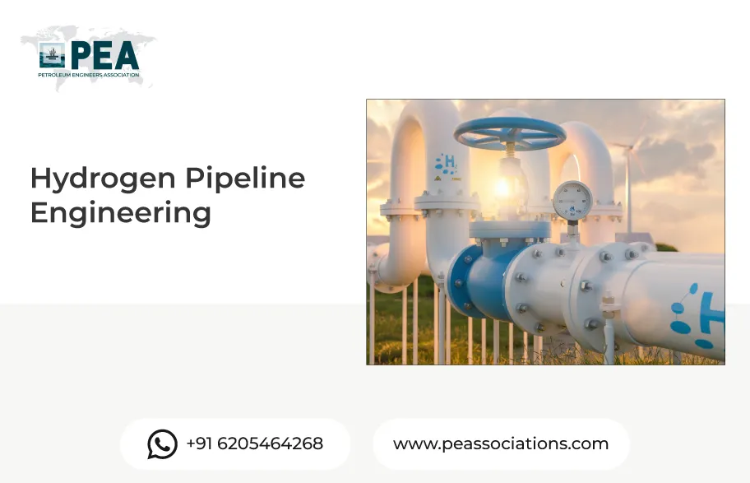
A focused program on designing, converting, and operating pipelines for gaseous hydrogen. The course covers material selection, fracture control, code compliance, and integrity management to mitigate embrittlement, permeation, and leakage while enabling safe, reliable transport.
Workshop Objectives
• Apply applicable codes and standards to hydrogen service with clear design and testing requirements
• Select materials, welding procedures, and fracture control measures to manage embrittlement and crack growth
• Engineer compressors, valves, seals, and measurement systems for hydrogen purity, leakage, and MAOP performance
• Build integrity and risk programs covering conversion of existing assets, monitoring, and fitness-for-service assessments
About the Presenter
Delivered by a senior pipeline engineer with cross-discipline experience in design, construction, and integrity management for gaseous fuels, including hydrogen. Instruction emphasizes practical engineering controls, defensible calculations, and field-proven practices suitable for new builds and conversions in regulated environments.




Premium Workshop
For PEA Members Only
Excel in Production Engineering
Most production engineering calculations don't need expensive software — they need Excel used well. This live 2-hour beginner workshop shows you how to build the core tools of well performance analysis directly in a spreadsheet. You'll create working models for inflow performance, nodal analysis, and decline curves from scratch, using nothing but Microsoft Excel — so you understand what's happening under the hood instead of treating commercial software as a black box.