Integrated Offshore Field Development Planning
Premium Workshop
For PEA Members Only

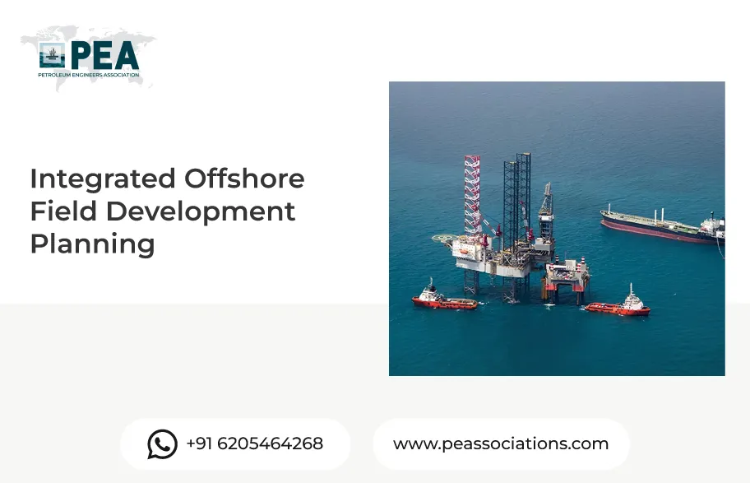
A compact, practice-led program on aligning subsurface, drilling, subsea, topsides, and export systems into a coherent offshore development plan. Participants use real case structures to progress from concept framing to select, define credible execution options, and present decisions with clear cost, schedule, and risk basis.
Workshop Objectives
• Build an integrated field development basis that links reservoirs, well count, drilling sequence, subsea architecture, facilities, and evacuation.
• Compare concepts using CAPEX, OPEX, NPV, and schedule risk, with metocean, logistics, and regulatory constraints explicit.
• Specify phased developments, tiebacks, and brownfield interactions with flow assurance, reliability, and operability requirements.
• Convert the selected concept into FEED-ready deliverables, including decision registers, assurance gates, and performance KPIs.
About the Presenter
Delivered by a senior offshore development professional with cross-discipline experience in subsurface, well delivery, subsea, and facilities engineering. Instruction emphasizes proven planning frameworks, auditable calculations, and practical tools suitable for complex, high-stakes offshore environments.





Premium Workshop
For PEA Members Only
Reservoir Engineering & Well Testing in Excel The Hands-On Bootcamp
This hands-on bootcamp is designed for petroleum engineers who want to move beyond theory and actually build reservoir engineering and well testing models from scratch — in Microsoft Excel. Over two intensive days, participants work through 10 real-world projects covering the full spectrum of reservoir characterisation and well performance analysis. No black boxes, no third-party software — every model is built cell by cell, so you understand exactly what's happening under the hood. Exclusively available to PEA Members.