
LNG Market and Global Supply Chain
Premium Workshop
For PEA Members Only

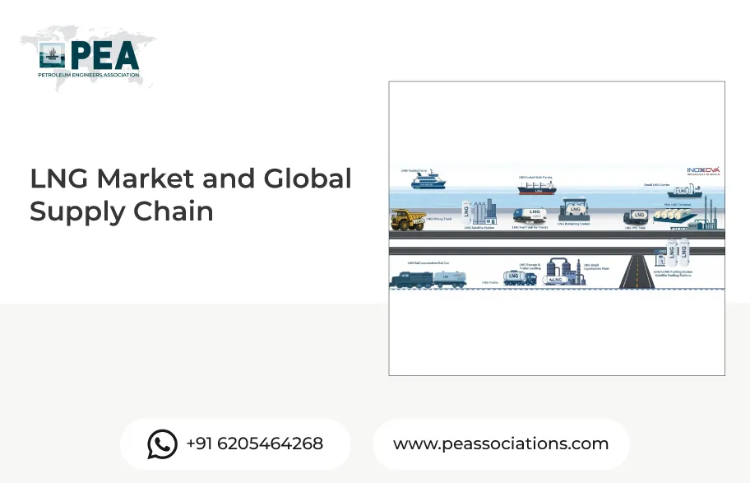
This workshop examines the global LNG market and the complexities of its supply chain, from production and liquefaction to shipping, regasification, and distribution. It highlights market drivers, trade flows, and the evolving role of LNG in meeting global energy demand, while addressing the challenges of supply security and price volatility.
Workshop Objectives
• Understand the structure and dynamics of the global LNG market.
• Analyze major trade routes, supply hubs, and emerging demand centers.
• Review pricing mechanisms, contractual structures, and market trends.
• Explore logistics challenges in LNG shipping, storage, and delivery.
• Assess geopolitical, regulatory, and sustainability factors shaping the LNG supply chain.
About the Presenter
The workshop is led by an experienced energy professional in LNG markets, trading, and global supply chains. Combining technical knowledge with commercial insight, the presenter offers participants a well-rounded perspective on how LNG supply and demand interact across international markets.






Premium Workshop
For PEA Members Only
Excel in Production Engineering
Most production engineering calculations don't need expensive software — they need Excel used well. This live 2-hour beginner workshop shows you how to build the core tools of well performance analysis directly in a spreadsheet. You'll create working models for inflow performance, nodal analysis, and decline curves from scratch, using nothing but Microsoft Excel — so you understand what's happening under the hood instead of treating commercial software as a black box.