Offshore Production Facilities
Premium Workshop
For PEA Members Only

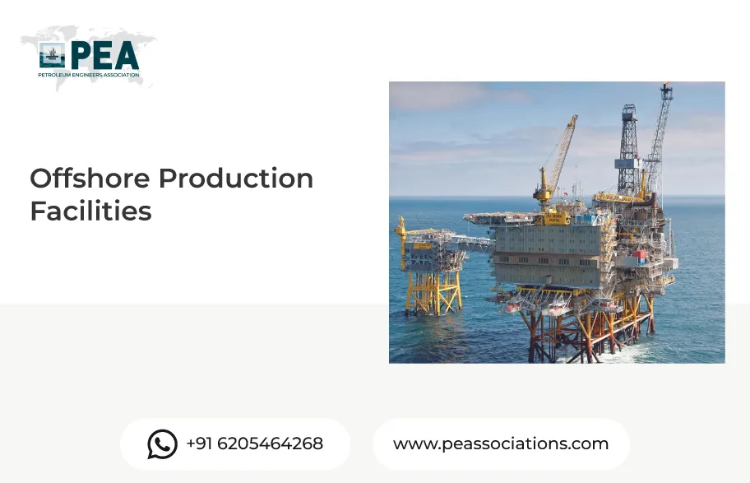
This workshop provides an overview of offshore production facilities, focusing on the design, operation, and integration of systems used to process, treat, and transport hydrocarbons offshore. Participants will gain insights into facility layouts, equipment functionality, and the unique challenges of offshore operations, with emphasis on safety, efficiency, and reliability.
Workshop Objectives
• Understand the key components and functions of offshore production facilities.
• Learn process workflows from wellhead to export.
• Explore design and operational considerations unique to offshore environments.
• Review best practices for safety, reliability, and production efficiency.
About the Presenter
The workshop is conducted by a production engineering professional with extensive experience in offshore facility design, operations, and optimization. The presenter combines technical expertise with practical industry knowledge, ensuring participants gain both theoretical understanding and field-based insights.



Premium Workshop
For PEA Members Only
Reservoir Engineering & Well Testing in Excel The Hands-On Bootcamp
This hands-on bootcamp is designed for petroleum engineers who want to move beyond theory and actually build reservoir engineering and well testing models from scratch — in Microsoft Excel. Over two intensive days, participants work through 10 real-world projects covering the full spectrum of reservoir characterisation and well performance analysis. No black boxes, no third-party software — every model is built cell by cell, so you understand exactly what's happening under the hood. Exclusively available to PEA Members.